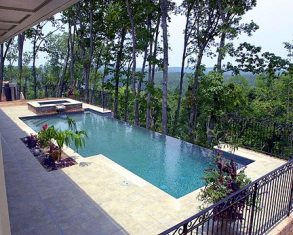
Evaporation changes with heat, wind, humidity, pool temperature and water features. An autofill can conceal ongoing loss by keeping the water level constant, so an unexplained increase in water use may also be a warning sign.
A bucket comparison can help determine whether the pool is losing water faster than evaporation. Turn the autofill off and follow safe, consistent test conditions before drawing conclusions.
Where Water Can Escape
Possible sources include equipment-pad plumbing, valves and fittings, skimmers, light niches and conduit, return fittings, drains, buried plumbing and the pool or spa shell.
How Detection Is Approached
Depending on the symptoms and pool configuration, evaluation may involve water-loss measurement, visual inspection, dye testing, pressure testing or acoustic methods. Not every property requires every test.
Locate Before Opening Surfaces
The purpose of testing is to narrow the source and avoid unnecessary demolition. Repair scope and pricing depend on whether the finding involves accessible equipment, buried plumbing or the pool structure.
Repair appointments and pricing: Diagnostic visits may carry a service fee, which is explained when the appointment is booked. Recommended repair or replacement work is quoted separately and begins only after approval.